

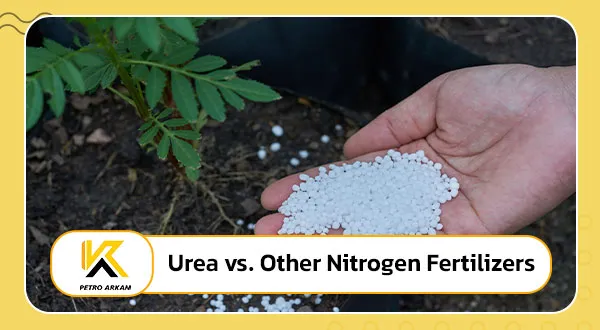
Introduction to Urea Fertilizer Benefits
Understanding the urea fertilizer benefits is essential for farmers seeking to optimize crop nutrition through effective nitrogen sources. Urea, with its 46% nitrogen content, is a widely used fertilizer due to its affordability and versatility. Alternatives like ammonium nitrate and ammonium sulfate offer different nutrient profiles, suited to specific crops or soils. This article, presented by PetroArkanCompany, explores the urea fertilizer benefits, comparing them to other nitrogen fertilizers to help farmers make informed choices.
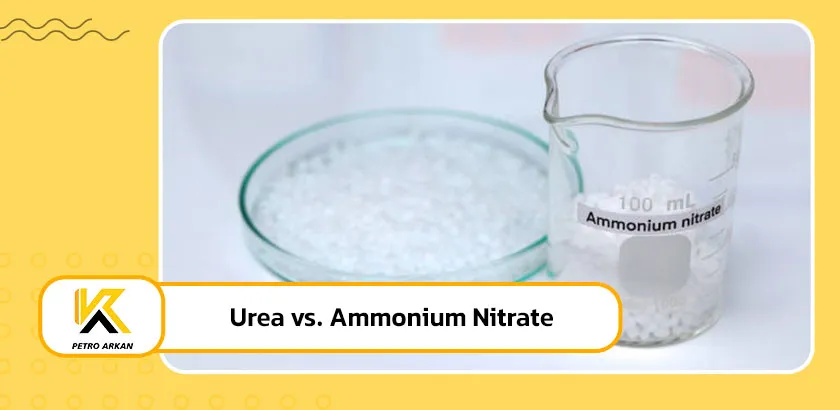
Urea vs. Ammonium Nitrate
The urea fertilizer benefits stand out when compared to ammonium nitrate (NH4NO3):
- Urea: With a formula of CO(NH2)2, urea delivers 46% nitrogen (46-0-0), making it the most concentrated solid nitrogen fertilizer. It converts to ammonia and carbon dioxide in soil, requiring microbial action to form nitrate for plant uptake. Its urea fertilizer benefits include cost-effectiveness, but it is prone to nitrogen loss via volatilization in warm or dry conditions.
- Ammonium Nitrate: Containing 33% nitrogen (33-0-0), this white, crystalline salt (pH ~5.4) provides immediate nitrate for faster plant absorption. However, its explosiveness poses safety risks, especially near oxidizable materials like oil or straw, limiting its ammonium nitrate advantages.
Urea’s affordability and high nitrogen content highlight its urea fertilizer benefits over ammonium nitrate’s quicker but riskier nutrient delivery.
Urea vs. Ammonium Sulfate
Ammonium sulfate ((NH4)2SO4) offers distinct advantages in the nitrogen fertilizer comparison:
- Urea: While urea’s urea fertilizer benefits include high nitrogen content, its volatility can lead to nutrient loss, and prolonged use may acidify soil, requiring pH adjustments.
- Ammonium Sulfate: With 21% nitrogen and 24% sulfur, it supports crops like wheat that need sulfur for protein synthesis and yield quality. Its lower volatilization rate enhances environmental stability, making it a valuable choice for specific ammonium sulfate benefits, especially before flooding in rice farming.
Ammonium sulfate’s dual nutrient supply complements urea’s high nitrogen focus.
Key Differences in Nitrogen Fertilizer Options
The urea fertilizer benefits are balanced by trade-offs compared to other options:
- Urea: Affordable, versatile, and high in nitrogen (46%), but susceptible to volatilization and soil acidification.
- Ammonium Nitrate: Provides rapid nitrogen release (33%) but carries explosion risks.
- Calcium Ammonium Nitrate (CAN): With 27% nitrogen, CAN minimizes volatilization and maintains neutral soil pH.
- Ammonium Sulfate: Offers nitrogen and sulfur with lower volatility but requires higher application volumes.
Farmers must weigh soil conditions, crop needs, and safety when leveraging urea fertilizer benefits or alternatives.
Where to Source Nitrogen Fertilizers?
For premium urea and other nitrogen fertilizers, PetroArkanCompany offers high-quality products tailored to agricultural needs. Their reliable supply, competitive pricing, and commitment to quality ensure farmers can maximize urea fertilizer benefits and other nitrogen sources for optimal crop nutrition.
Conclusion
The urea fertilizer benefits—high nitrogen content, affordability, and versatility—make it a top choice, though alternatives like ammonium nitrate and ammonium sulfate offer unique advantages for specific scenarios. PetroArkanCompany provides superior fertilizers, helping farmers balance cost, efficiency, and environmental impact to meet their farm’s needs.
FAQ
How do urea fertilizer benefits compare to other nitrogen sources?
Urea’s 46% nitrogen content is higher than most, but it’s prone to volatilization, unlike ammonium sulfate or CAN.
What are ammonium nitrate advantages in agriculture?
Ammonium nitrate delivers quick-release nitrogen for rapid growth but poses safety risks due to explosiveness.
Why are ammonium sulfate benefits preferred for some crops?
Ammonium sulfate provides nitrogen and sulfur, ideal for wheat, with lower volatilization than urea.
What factors guide nitrogen fertilizer choices?
Soil type, crop requirements, cost, and environmental stability influence the best option.
Why choose PetroArkanCompany for nitrogen fertilizers?
PetroArkanCompany offers reliable, high-quality fertilizers, maximizing urea fertilizer benefits and farm productivity.


No comment